
That moment when the engines roar - and everything in you says stop
For so many of the people I work with, takeoff is their moment. The cabin doors close. The plane begins to move. And somewhere between the runway and the sky, something in your body decides this isn't safe.
Your heart pounds. Your hands find the armrest. You might even hold your breath without realising it.
If that sounds like you - you're in very good company. And what you're feeling makes complete sense. Let me explain why...
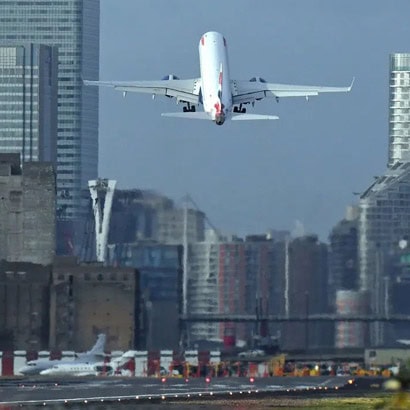
The Fear Behind the Fear
In my experience, fear of taking off is rarely one single thing. It comes down to one of these:
| What it feels like | What's often underneath |
|---|---|
| "What if something goes wrong?" | Loss of control |
| "I can't get off now" | Feeling trapped |
| "That noise isn't normal" | Fear of the unknown |
| "I just need to white-knuckle through it" | Accumulated dread |
Recognise any of those? In our sessions, we explore exactly which of these is driving your experience - because the work that helps you needs to fit you specifically.
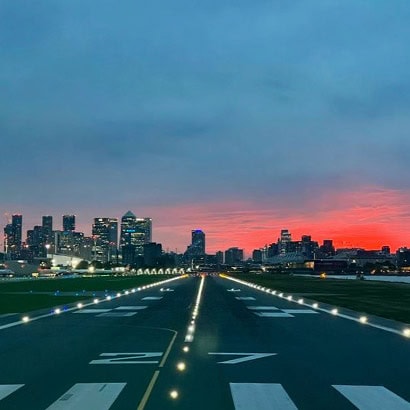
What's Actually Happening on the Runway?
I've sat at the end of thousands of runways, and I can tell you - taking off is one of the most carefully managed moments of the entire flight.
Before every single departure, the crew has already calculated the exact speed needed to lift off safely, tested the aircraft's systems, and planned for every possible scenario.
The surge of power you feel isn't chaos - it's precision. Every second of that runway roll is exactly as it should be.
But I know that doesn't always stop the fear - and that's what we'll work on together.
The Stages of Takeoff — And Why Each One Can Feel Unsettling
One of the most useful things I can do as a pilot is walk you through exactly what's happening during takeoff.
It's rarely the whole experience that's overwhelming. It's usually one or two specific moments which feel far less threatening once you know what they actually are.
The Sounds of Takeoff - What You're Actually Hearing
Aircraft make a number of noises during takeoff. And when you don't know what a sound means, your brain will almost always assume the worst. Here's what you're actually hearing:
- The engines spooling up on the runway: A rising whine as the engines are brought to takeoff power. Deliberate and controlled - the pilots are setting precise thrust levels for the conditions of that specific departure.
- The rumble and vibration of acceleration: At lower speeds the aircraft is still in full contact with the runway, and every imperfection in the surface translates to vibration through the cabin. The roughest part of the takeoff roll is usually at the beginning.
- Wind noise increasing: As the aircraft accelerates, air rushing past the fuselage creates a rising noise. This is simply speed - and a sure sign that the aircraft is doing exactly what it needs to do.
- The change in tone as the wheels leave the ground: At the moment of rotation, the rumble of the runway disappears and is replaced by a smoother, more consistent sound. Many nervous flyers find this moment jarring - but what's changing is the aircraft transitioning cleanly from ground to air.
- The clunk of gear retraction: Already covered above - but worth repeating here because it catches so many people off guard. Ten seconds. Completely normal. Every flight, every aircraft.
- The reduction in engine noise shortly after takeoff: Once a safe altitude and speed have been established, the pilots reduce thrust. This is planned, expected, and required - partly for noise restrictions around airports, partly because full takeoff power simply isn't needed once airborne. The aircraft is not struggling. It is cruising.
FAQ
I'll try to answer as many FAQs as possible here.
Have more questions? Get in touch, or schedule a free 10 minute call to discuss the possible options.
Why Reading This Probably Won't Fix It
You may have already Googled takeoff safety statistics. You might have read forums, watched YouTube videos, or talked yourself through it a hundred times... and yet the moment those engines spool up, none of it seems to help.
That's not a personal failing. That's just how fear works.
Fear lives in the subconscious mind - the part that reacts before your logical brain has a chance to catch up. Facts and statistics simply can't reach that part of your mind on their own. That's why my approach combines both pilot knowledge and therapeutic tools. One without the other only goes so far.
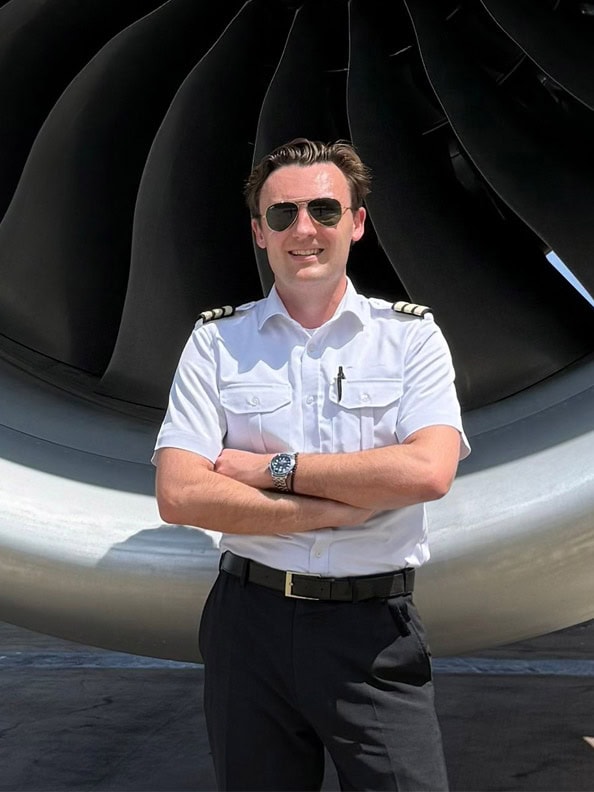
How I Can Help
When you work with me, you get something quite rare - a qualified therapist who has also personally flown the aircraft you're sitting on.
The Pilot Perspective
I walk you through exactly what's happening during takeoff - every sound, every sensation, every moment that can spike anxiety - explained from the flight deck, in plain language. No jargon. No statistics you won't remember when it matters.
The Therapeutic Side
Using clinical hypnotherapy, NLP and CBT, we work with the subconscious part of your mind - where the fear actually lives. This isn't about convincing yourself to feel calm. It's about genuinely becoming calmer, at a level that sticks.
Together, these two things are what make the difference for my clients.
Ready to Feel Different on Your Next Flight?
Whether you have a flight coming up or simply want to stop letting this hold you back, the first step is easier than you might think.
- Book a Session with Me: A one-to-one online session combining pilot knowledge and clinical hypnotherapy - available worldwide, at a time that suits you. Book Now →
- Start with a Free Meditation: I've recorded a guided meditation specifically designed to calm the nervous system before a flight. It's free, and it's a good introduction to the kind of work we do together. Download Free Meditation →